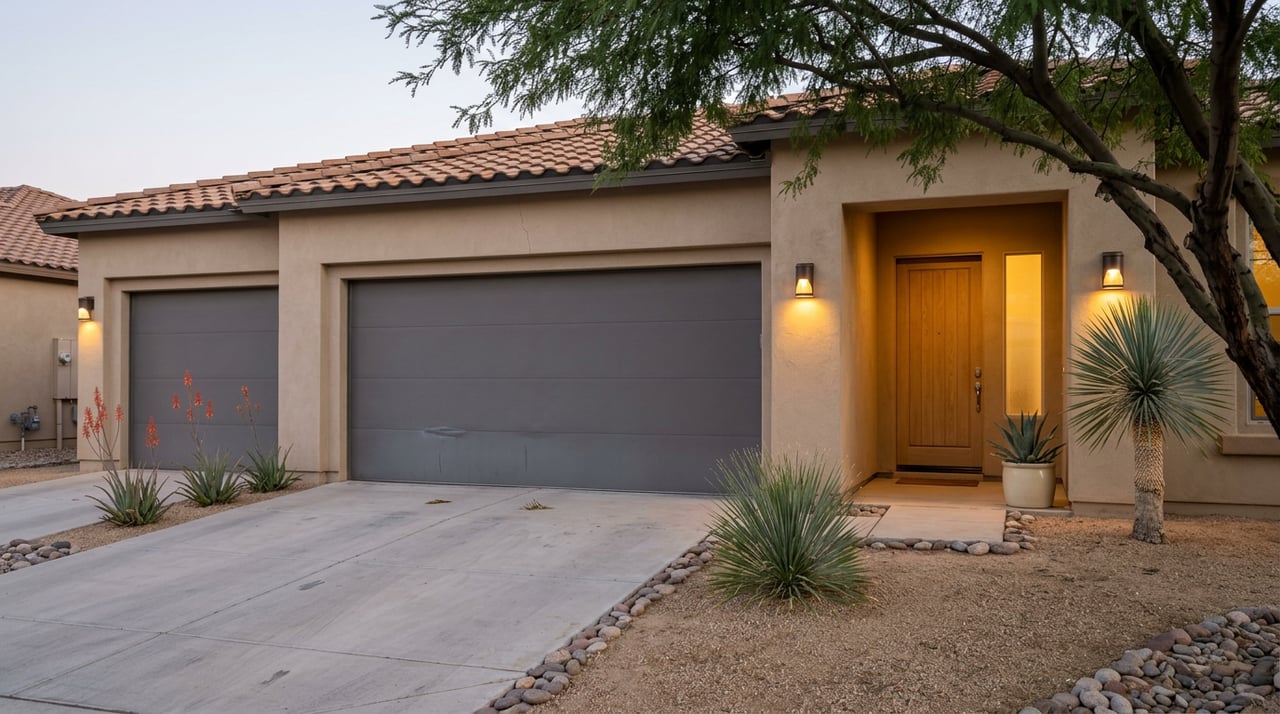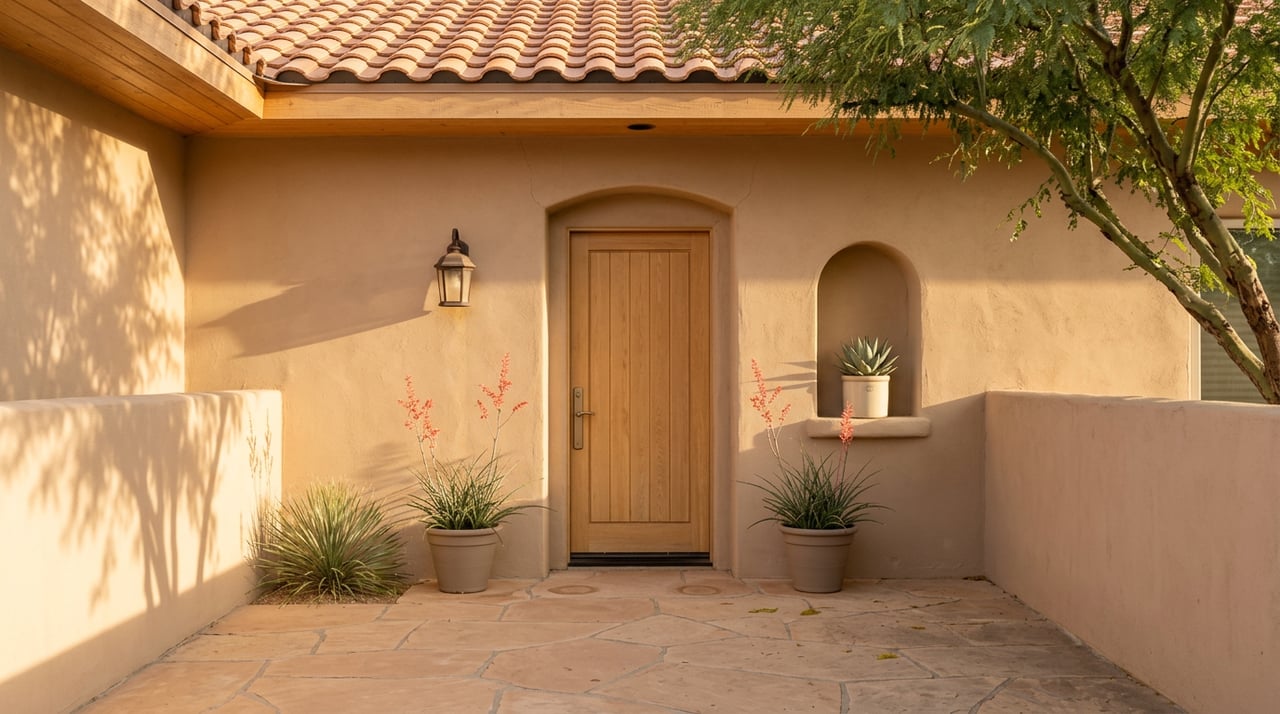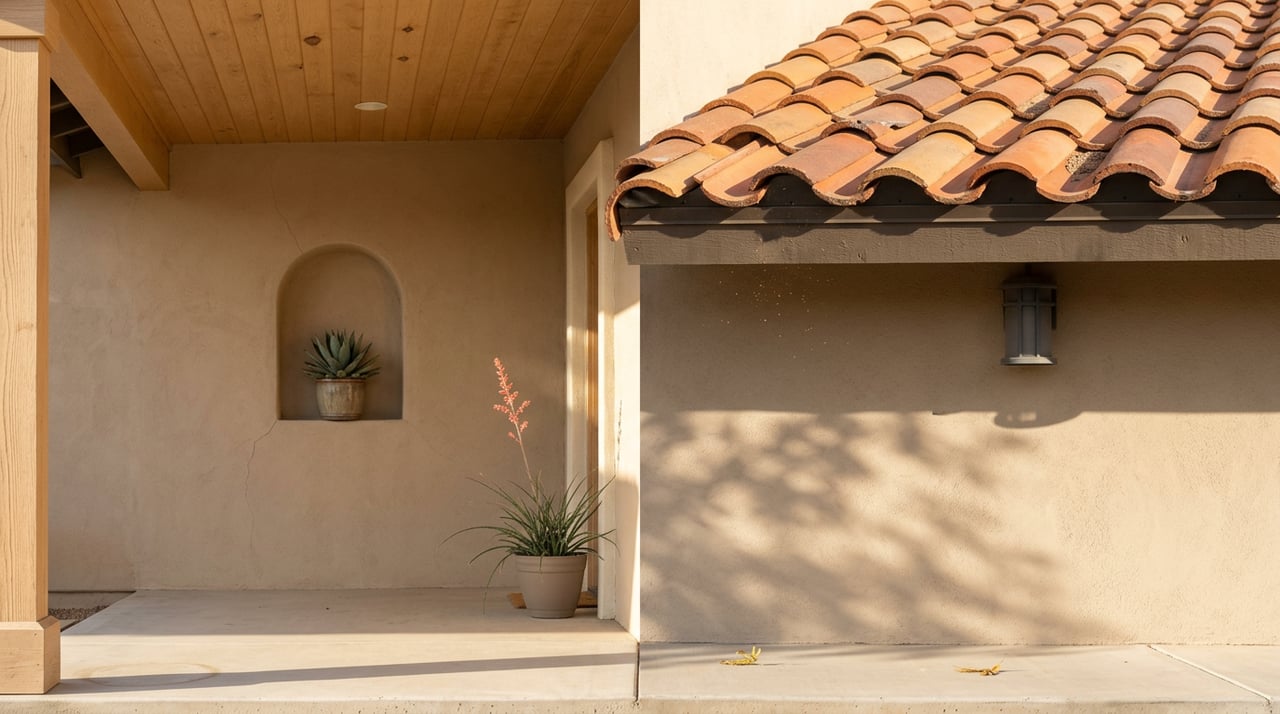
A buyer's agent hands you a repair addendum on day 22 of escrow. The AC is short-cycling in a July afternoon, the tile roof has three cracked barrels the inspector photographed from a drone, and there is a hairline crack under the picture window that a stucco company wants $1,800 to chase. You have a choice, and it is not the one most sellers think it is.
The obvious choice is which items to fix. The real choice was made weeks earlier: whether the seller knew about these findings before a buyer's inspector did.
In a Yuma market where homes are sitting on the market for months rather than days, that sequencing decision is the whole game.
The market has slowed enough to change the leverage
Two data sources tell the same story from different angles. Houzeo's 2026 snapshot puts the Yuma median at $323,750 with homes averaging 120 days on market and selling at 99.33% of asking. Redfin's March 2026 read shows a median of $336K with 77 days on market, up from 65 a year earlier. Whichever number you prefer, the direction is the same: buyers have time to inspect thoroughly, get second opinions, and write repair requests they would not have written in 2021.
That extra time is the mechanism. When a home spent nine days on market, buyers waived contingencies and swallowed cosmetic defects. At 77 to 120 days, they read the inspection report line by line and price every finding.
The disclosure trap sellers walk into by accident
Here is where Arizona law reshapes the problem. The state does not require a specific form, but Arizona common law and ARS 33-422 require sellers to disclose known material facts that could affect the value or desirability of the property. The Arizona Association of REALTORS® Seller's Property Disclosure Statement, universally called the SPDS or "spuds," is the seven-page form almost every Yuma transaction uses to satisfy that duty. Under the standard AAR contract, the seller delivers it within a few days of contract acceptance.
The trap is quiet and it looks like this. A seller orders a pre-listing inspection thinking it is a diligence step. The report identifies a moisture stain in the ceiling above the utility room. The seller decides not to fix it and hopes the buyer's inspector will not catch it. That decision has now converted a maintenance item into a known material fact. Failing to check the moisture box on the SPDS is no longer a judgment call. It is a disclosure problem with a three-year statute of limitations for fraudulent nondisclosure.
The Arizona attorneys writing about this are direct. Willful blindness, meaning deliberately avoiding knowledge to escape disclosure, is not a defense. Selling "as-is" does not waive the duty either. Once you know, you owe.
The seller who inspects first can price, repair, or disclose on their own terms. The seller who lets the buyer's inspector go first is negotiating from a report they have never read against a buyer holding a repair addendum and a 30-day clock.
That is the thesis. Everything below is evidence.
What Yuma inspectors actually flag
The Yuma inspection universe is not the Phoenix inspection universe and it is not the coastal California one buyers relocating here are used to. Local firms make this explicit. Professional Property Inspections, a Certified Master Inspector operation serving Yuma, Somerton, Wellton, San Luis, Fortuna Foothills, Dateland and Tacna, calls out four desert-specific concerns in its own words: intense heat, soil expansion, stucco cracking, and roof wear from UV exposure. Semper Fi Mold Inspection describes the local building stock as running from "sunbaked stucco homes to tightly sealed modern builds," and prices a Yuma mold inspection at $300 to $700. Code 4 Property Inspections offers pool and spa, solar, irrigation, and manufactured-home inspections under HUD standards, which matters given Yuma's meaningful mobile and manufactured home segment.
The findings themselves cluster in five categories worth knowing before you list.
HVAC under summer load. The Yuma AC repair market runs an average of about $300 per common repair, with compressor replacements $96 to $822, refrigerant recharges $150 to $400, and refrigerant leak detection and repair between $200 and $1,600, according to 2026 project data compiled by Homeyou. A full replacement is a different order of magnitude. Worlock Air's 2026 Arizona guide puts complete AC replacements between $6,500 and $15,000, with higher-end systems exceeding $18,000. Systems typically last 10 to 15 years with maintenance. Timing risk is real. If your compressor gives up in July, you are competing with every emergency call in the county for parts and labor.
Tile and shingle roofs baked by UV. EcoEnergy Solutions notes that Yuma sun exposure makes older shingles brittle and requires specialized handling, and lists roof replacement as a common companion to HVAC work. Barrel tile itself lasts decades, but underlayment and cracked individual tiles are the finding that shows up on drone-inspection photos.
Stucco cracks that are cosmetic until they are not. Hairline settlement cracks under window headers and along soffit lines are common in Yuma homes because soils move. Inspectors will note them. The interpretive question is whether they indicate active movement or a one-time settlement that stabilized a decade ago. That distinction can be a $200 caulk-and-paint job or an engineer's letter, and buyers rarely take the seller's word for which.
Hidden moisture and mold. The desert reputation for being too dry for mold is misleading in occupied homes. HVAC condensate lines, older evaporative cooler plumbing, and slab-plumbing pinhole leaks all create local moisture pockets that thermal imaging can find. Semper Fi and other local inspectors use infrared cameras precisely because visible mold is rare and hidden dampness is not.
Pool and spa equipment. The SPDS asks specifically about past or present problems with the swimming pool, spa, hot tub, sauna, or water feature. A pool inspection is usually a separate add-on with a separate report, and it is one of the more common places sellers get surprised by pump age, deck cracks, and non-compliant safety fencing.
The HVAC clock is the one that runs against you
Every other finding on the list above can wait a week. HVAC in July cannot. If your unit is 12 years old and the pre-listing inspector flags declining performance, you have three moves.
Fix it now with a Trane dealer like Quick Refrigeration, which was running rebates up to $900 earlier in 2026, and disclose the age and repair invoice. Price it into the list price and disclose the age with a written estimate attached to the SPDS. Or replace it before listing, disclose the new unit as an upgrade, and use it as marketing. Doing nothing and hoping the buyer's inspector runs the system on a mild April morning is not a strategy in a 77-to-120 day market. The system will get tested, either by a buyer's inspector or by the buyer during the first heat wave after closing, and the second scenario is where post-closing disputes start.
A sequence that actually works
For a Yuma seller listing between now and the fall shoulder, the order of operations matters more than any single repair.
- Order a pre-listing inspection from a locally credentialed inspector who explicitly works desert construction. Ask for the drone roof scan and thermal imaging as add-ons rather than as separate reports.
- Get scoped bids on any HVAC, roof, or moisture finding within a week of the report. Bids give you optionality. A single bid becomes a repair credit conversation you cannot control.
- Decide the fix-versus-disclose line item by item. Small items that read badly on a report but cost little should be fixed. Large items with wide bid ranges are usually better disclosed with the bids attached to the SPDS.
- Complete the SPDS with invoices, receipts, permits, and inspection reports attached, as the AAR form itself instructs. A disclosure with paperwork is harder to attack than a disclosure with a checkbox.
- Price the home against the disclosed condition. In a market at 99.33% of asking, that is where the leverage is quietly reclaimed.
Short FAQ
Does an "as-is" listing eliminate the disclosure duty? No. Under Arizona law the seller still has a duty to disclose known material facts that a buyer would not readily observe. "As-is" affects who pays for repairs, not what must be disclosed.
How long is a seller exposed after closing? For fraudulent nondisclosure the general statute of limitations is three years, which is why keeping the SPDS, inspection reports, and repair invoices for at least five years is standard advice from Arizona real estate attorneys.
Is a mold inspection worth the $300 to $700 in Yuma? It depends on the age of the HVAC condensate setup and whether the home ever ran evaporative cooling. In slab homes with older plumbing, thermal imaging often finds moisture the visual inspection misses, and it is cheaper to find it before a buyer's inspector does.
Do manufactured and mobile homes follow the same disclosure rules? Yes, and they get an additional layer. Local inspectors like Code 4 inspect manufactured homes against HUD standards, and the SPDS still applies to the seller's known material facts.
Selling a Yuma home in this market rewards the seller who reads their own inspection report before a buyer ever writes an offer. If you are thinking about listing this summer or fall and want a straight conversation about pricing, pre-listing inspections, and how the finance side of a buyer's offer will hold up in this rate environment, ABC Group is here when you are ready. Get a Free Home Valuation and we will walk the property with the report in mind.